



Catalog marketers continue to face a familiar challenge: how to stay in the mail channel while managing the reality of rising costs for postage, paper, and production. For many brands, the solution isn’t to scale back on print altogether: it’s to rethink catalog formats, sizes, and structures to drive both efficiency and impact.
At Nahan, we’ve seen firsthand how format innovation is reshaping the catalog space. From digest-sized books to selective page count reductions and smarter engineering decisions, brands are finding new ways to stretch budgets while maintaining the brand-building power of print.
The Mini Catalog Surge: Why Smaller is Bigger
One of the most notable format shifts in recent years is the rise of digest and mini catalogs. Compact sizes like 6x9” or 5.5x8.5” have become popular tools for acquisition campaigns and reactivation strategies. These formats deliver significant cost efficiencies:
- Lower postage tiers
- Optimized paper yields and faster press speeds
- Providing a curated sampling of top products and offers, these compact catalogs deliver enough space to highlight brand personality and showcase essential items—without the commitment required for a full-sized book.

Mark Groff, our VP of Eastern Regional Sales notes, “A lot of brands are learning they don’t need to send a 64-page book to everyone. A 6x9” format can do the job for certain audiences at a fraction of the cost.”
Strategic Page Count Management
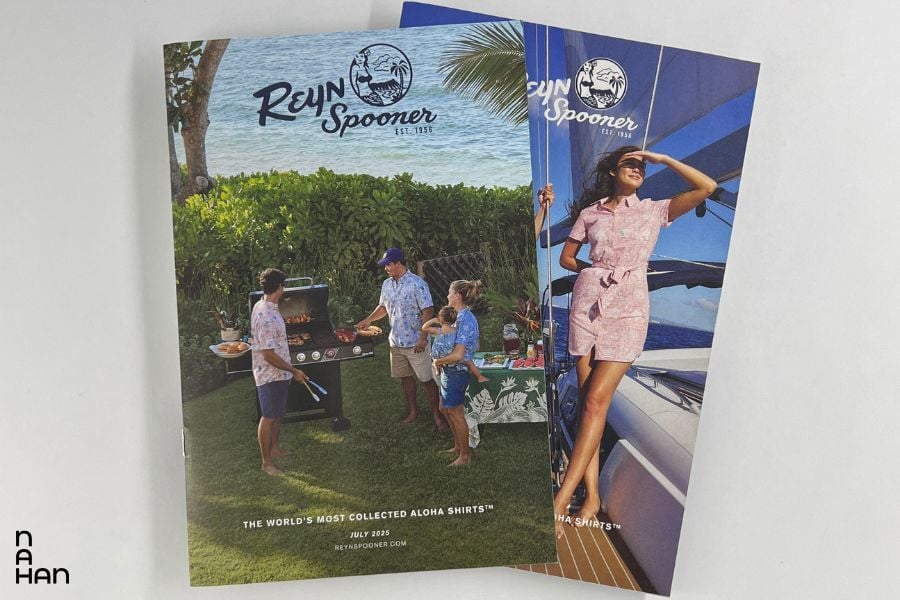
Another strategy we’ve observed is selective page count reductions. Brands aren’t simply cutting pages across the board—they’re aligning catalog size to product strategy, seasonality, and audience.
For example:
- A retailer might mail a 48-page holiday showcase to their best customers, while testing a 32-page version to prospects.
- Specialty brands may reduce page counts for spring and summer, then expand in fall and holiday when sales volume peaks.
- Leveraging 4C variable covers and inside covers to increase relevance and performance, even on smaller page count formats
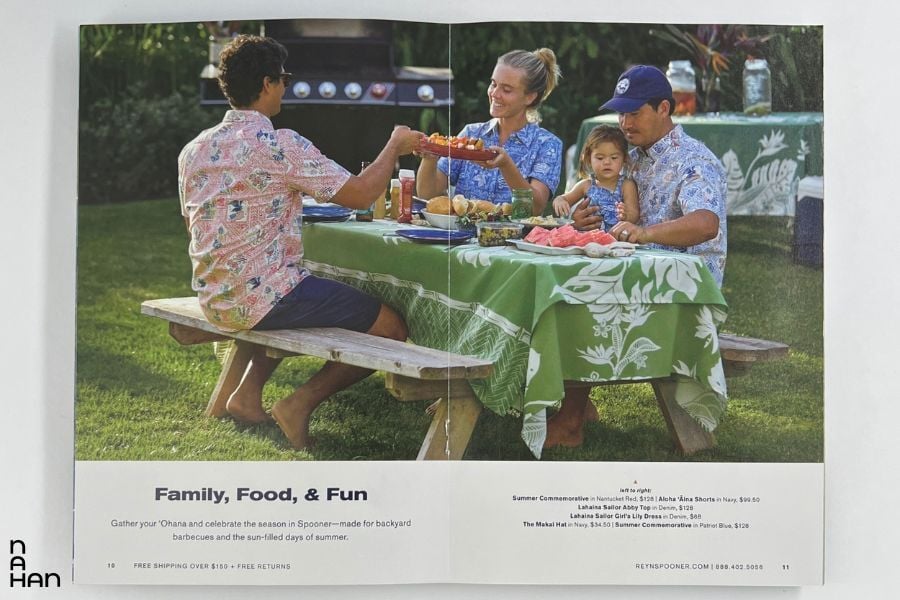
Groff explains, “We’re helping clients think through where the extra 16 pages make a difference, and where they don’t. Testing different page counts is becoming standard practice.”
Engineering for Impact: Closures, Signatures, and Binding
Format innovation extends beyond size into the technical details of production:
- Tabs and wafer seals: Cost-effective, efficient, and widely used for securing catalogs while preserving brand presentation.
- Signature vs. booklet formats: Signature formats can improve efficiency and reduce costs, while booklets often deliver a more polished experience.
- Print-to-digital bridges: Elements like QR codes on covers or inside pages create seamless pathways from print to the online experience, helping brands connect catalogs to digital engagement and commerce.
“These aren’t just production conversations,” says Groff. “They’re marketing decisions. The way a catalog is bound, sealed, or designed affects how the customer experiences the brand, and even how they take the next step online.”
At Nahan, our G7-certified production platform allows clients to test these engineering options while maintaining color accuracy and print quality. Often, the smallest adjustments in format engineering deliver the biggest cost savings and engagement lift.
Reshaping the Catalog Landscape

Forward-thinking brands are embracing multi-format catalog strategies:
- Luxury and DTC brands continue investing in heavier stock and perfect binding, reinforcing the catalog as a premium brand artifact.
- Retailers deploy both flagship books and smaller digests, balancing brand storytelling with cost control.
- Food and gift brands leverage multiple drops and dynamic covers to maximize seasonal cadence.
As Groff summarizes, “We’ve moved from one-size-fits-all catalogs to a mix-and-match strategy. The winners are the brands that use different formats for different jobs—full catalogs for big moments, mini catalogs for reach and efficiency.”
Balancing Innovation with Brand Continuity

The biggest challenge in format innovation is maintaining brand consistency across varied sizes and formats. Customers should feel the same sense of brand equity whether they’re holding a 64-page flagship book or a slim 6x9.
This is where Nahan’s consultative approach is vital. We guide clients on paper selection, color fidelity, and design adjustments to ensure engineering for efficiency doesn’t dilute brand identity. “You can change the size, change the page count, even change the binding—but you can’t change who you are as a brand,” Groff explains. “Our job is to protect that while helping clients innovate.”
The New Catalog Playbook
Format testing is no longer optional; it’s a strategic lever for brands that want to balance cost control with brand performance. The new catalog playbook is defined by:
- Multi-format strategies tailored to both acquisition and retention
- Infusing mini and digest formats that expand reach efficiently
- Smarter page count decisions based on data and audience strategy
- Engineering choices treated as brand decisions
- Segmentation-driven personalization: showcase unique products and tailored offers to different audience segments to increase relevance, strengthen engagement, and boost performance
The Nahan team has helped dozens of clients adapt their catalog strategies—testing new formats, reducing costs, and protecting brand equity in the process.
As Groff explains: “The key isn’t bigger or smaller. It’s choosing the right format strategy that aligns with your brand and your goals.”